What are the Benefits of Light Gauge Metal Framing in Construction?
The construction industry is continuously evolving, and light gauge metal framing is at the forefront of this transformation. Experts like John Morgan, a renowned structural engineer, emphasize its significance, stating, “Light gauge metal framing combines durability with flexibility.” This method is increasingly popular due to its numerous benefits in modern construction projects.
Light gauge metal framing offers advantages such as resistance to pests, fire, and mold. Unlike traditional wood framing, it does not warp, twist, or shrink, which can jeopardize structural integrity. This reliability is essential. But there are challenges. The initial costs can be higher. Additionally, the assembly requires specialized skills and equipment. Companies need to invest in training, which can slow project timelines.
Despite these obstacles, the long-term savings are compelling. Lighter materials can lead to lower transportation costs. Moreover, this framing type allows for quicker installation, enhancing overall project efficiency. Ultimately, light gauge metal framing provides a robust alternative for builders willing to adapt. However, understanding and addressing its complexities remains crucial for successful implementation.
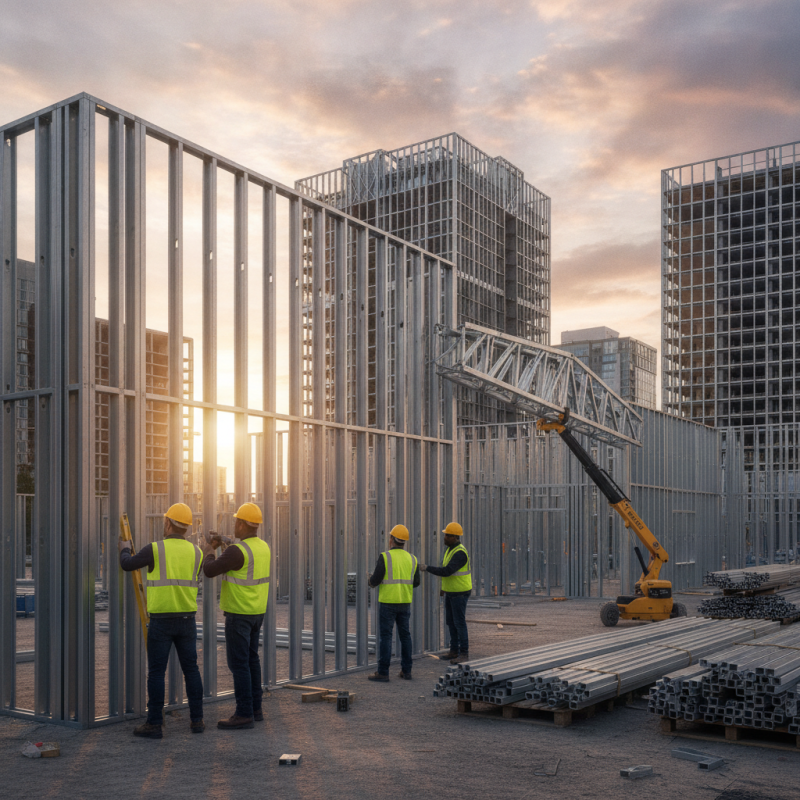
Benefits of Light Gauge Metal Framing in Construction
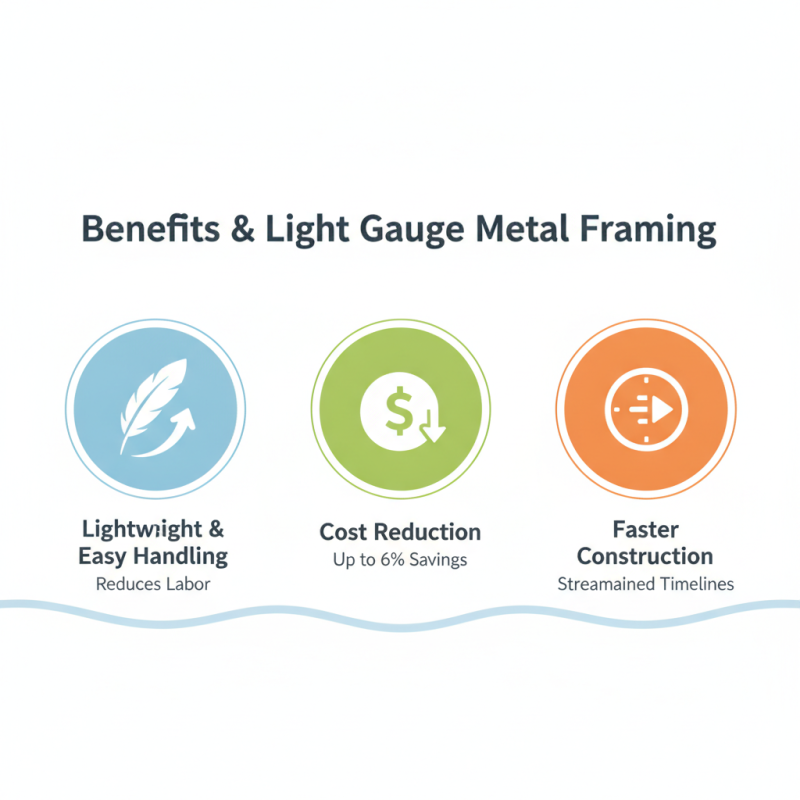
Light gauge metal framing has gained popularity in construction due to its numerous benefits. One major advantage is its lightweight nature, which allows for easier handling and installation. According to the Steel Framing Alliance, a lighter structure can reduce overall project costs by up to 6%. This reduction is achieved through savings in labor and transportation. Light gauge framing can also streamline construction timelines, allowing projects to progress more quickly.
Durability is another key benefit. Metal is resistant to pests, fire, and rot, which can significantly decrease maintenance costs over time. A study from the American Iron and Steel Institute noted that structures built with light gauge metal can last decades longer than traditional wood framing. Building with metal means fewer repairs, contributing to long-term savings. However, it is worth noting that improper installation can lead to vulnerabilities in the structure. Skilled labor is crucial for maximizing the benefits of this framing method.
Finally, sustainability is becoming increasingly important in construction. Light gauge metal is recyclable, reducing the environmental impact of building waste. The National Association of Home Builders reports that 90% of steel used in construction comes from recycled materials. While light gauge metal framing does require energy-intensive processes, its longevity and recyclability offer a balance worth considering. As the industry moves toward sustainable practices, light gauge metal framing stands out.
Enhanced Durability and Strength of Light Gauge Metal Framing
Light gauge metal framing offers remarkable durability and strength in construction. Unlike traditional wood, metal framing is resistant to warping, cracking, and insect damage. This longevity means fewer repairs over time, making it a cost-effective choice. Construction projects can benefit from materials that withstand harsh weather conditions. For instance, metal framing remains stable in extreme temperatures, ensuring structural integrity.
Another important aspect is the strength-to-weight ratio. Light gauge metal is surprisingly strong while being lightweight. This allows for easier handling during installation. However, builders must be mindful of proper techniques to maximize these advantages. Proper training is essential, as improper installation can lead to weaknesses in the structural design.
Furthermore, the recyclability of metal framing adds an environmentally friendly element. Many construction projects aim for sustainability. Using recyclable materials aligns with green building practices. Yet, a reliance on metal also raises questions about sourcing and energy use in production. This balancing act between benefits and drawbacks is crucial for modern construction.
Benefits of Light Gauge Metal Framing in Construction
This chart illustrates the various benefits of Light Gauge Metal Framing in construction, highlighting its enhanced durability and strength, as well as other important factors such as cost-effectiveness and design flexibility.
Cost-Effectiveness of Light Gauge Metal Framing in Construction Projects
Light gauge metal framing has become a popular choice in construction due to its cost-effectiveness. According to industry reports, projects using this material can reduce costs by up to 15-20% compared to traditional wood framing. This decrease results from lower material prices and faster installation times. In a time-sensitive market, minimizing labor costs and streamlining construction timelines are vital for maintaining budgets.
Additionally, light gauge metal framing offers durability and minimal maintenance expenses. Unlike wood, metal resists rot, pests, and warping. This leads to fewer repairs over the lifespan of a structure. Studies indicate that buildings with metal framing can have lower insurance premiums, as they are often viewed as more stable and resistant to environmental factors. Many contractors report significant savings in both long-term and short-term financial planning when choosing this material.
However, some concerns do linger. The initial investment in metal framing can be higher, which may deter some construction professionals. Furthermore, there is a learning curve associated with its installation. Builders must be trained to handle this material effectively, which may lead to temporary delays. Yet, the long-term benefits often outweigh these initial challenges, making light gauge metal framing a compelling option for future construction projects.
Eco-Friendly Aspects of Light Gauge Metal Framing Materials
Light gauge metal framing is gaining traction in the construction industry for its eco-friendly properties. Made primarily from recycled steel, these materials significantly reduce the demand for virgin resources. A report by the Steel Recycling Institute indicates that approximately 70 million tons of steel are recycled each year in the U.S. This recycling process cuts down energy consumption by over 60%, making it a sustainable choice for builders.
Moreover, light gauge metal framing has a longer lifespan than traditional wood framing. Wood is susceptible to pests, rot, and fire. Metal, on the other hand, is resistant to these issues, translating to less waste over time. According to the U.S. Environmental Protection Agency, buildings account for nearly 40% of the nation's total energy consumption. Lighter materials can reduce the overall weight of structures, leading to lower energy costs during the building process.
Tip: When selecting framing materials, consider life cycle analysis data. This can help assess the overall environmental impact.
Despite its advantages, light gauge metal framing is sometimes viewed as less aesthetically pleasing than wood. It requires detailed planning to conceal metal in visible areas. Additionally, labor costs may be higher since specific skills are needed for installation. These factors should be weighed carefully against the benefits.
Benefits of Light Gauge Metal Framing in Construction
| Benefit |
Description |
Eco-Friendly Aspect |
| Durability |
Resistant to pests, rot, or warping. |
Longer lifespan reduces resource consumption for replacements. |
| Weight |
Lightweight material reduces the strain on building foundations. |
Lower transportation energy and emissions during delivery. |
| Recyclability |
Can be fully recycled at the end of its life cycle. |
Promotes sustainable waste management practices. |
| Cost-Effectiveness |
Reduces material and labor costs due to prefabrication. |
Minimized resource use and construction waste. |
| Versatility |
Can be used in various construction applications and designs. |
Maximizes the effective use of materials tailored to project needs. |
Versatility and Design Flexibility of Light Gauge Metal Framing Solutions
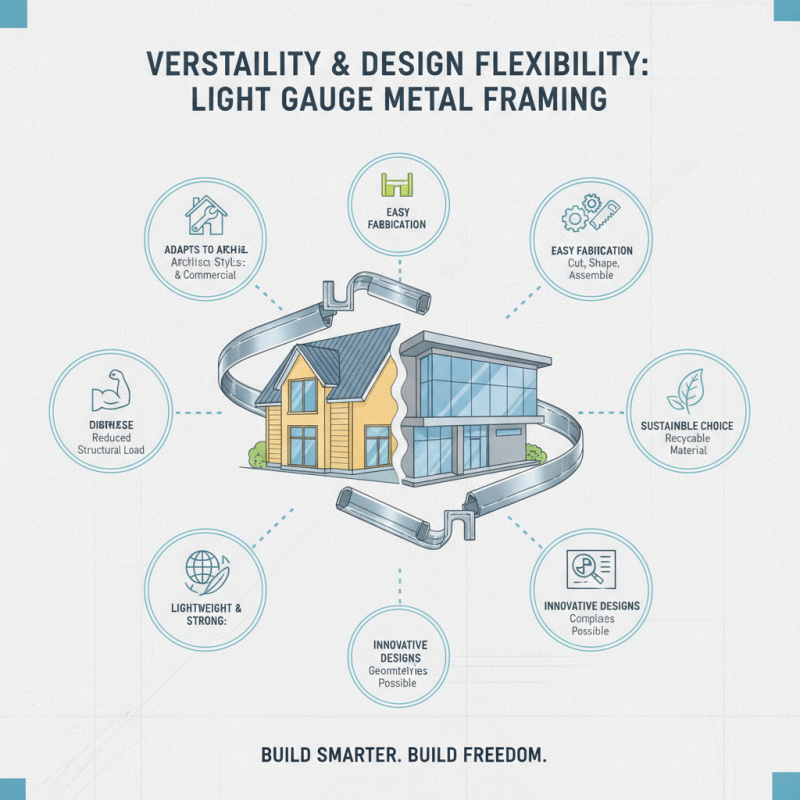
Light gauge metal framing offers remarkable versatility for construction. This material adapts easily to various architectural styles, allowing for innovative designs. Builders appreciate its lightweight nature, which reduces structural load. It can be easily cut, shaped, and assembled, making it suitable for diverse applications. From residential homes to commercial spaces, light gauge metal works well in many settings.
Design flexibility is a crucial advantage. This framing approach supports open floor plans, maximizing space efficiency. It accommodates large windows and unique layouts without compromising strength. Furthermore, this material resists warping and shrinking, maintaining structural integrity. These qualities lead to fewer construction delays and reduced waste.
Despite its benefits, some challenges exist. For instance, careful planning is essential to avoid misalignment during installation. Mistakes can lead to complications down the line. Additionally, the metal can conduct heat and cold, requiring proper insulation. These aspects should be considered in the design phase. Addressing these factors enhances the overall reliability of light gauge metal framing solutions.