What Are the Benefits of Structural Steel Framing in Construction?
Structural steel framing has become a crucial aspect of modern construction. This method offers numerous advantages, such as strength and durability. Steel is known for its ability to withstand harsh conditions, making it a reliable choice for various buildings.
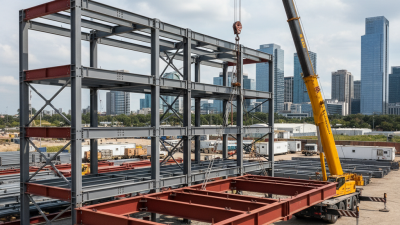
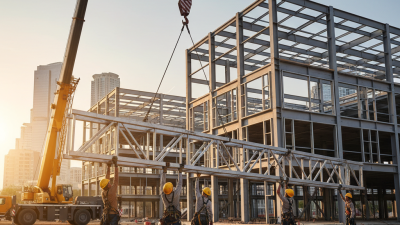
One key benefit is its flexibility in design. Architects can create innovative structures that were once impossible with traditional materials. This flexibility encourages creativity while ensuring safety. Additionally, structural steel framing allows for faster construction times. Prefabrication techniques speed up the building process, reducing labor costs and project timelines.
However, there are challenges worth considering. The initial cost of steel materials can be high. While the long-term benefits often outweigh these costs, project budgets must be carefully planned. Furthermore, sourcing quality steel is essential to avoid future issues. Always work with reputable suppliers to ensure the integrity of the frame. Overall, the benefits of structural steel framing speak volumes for its role in contemporary architecture.
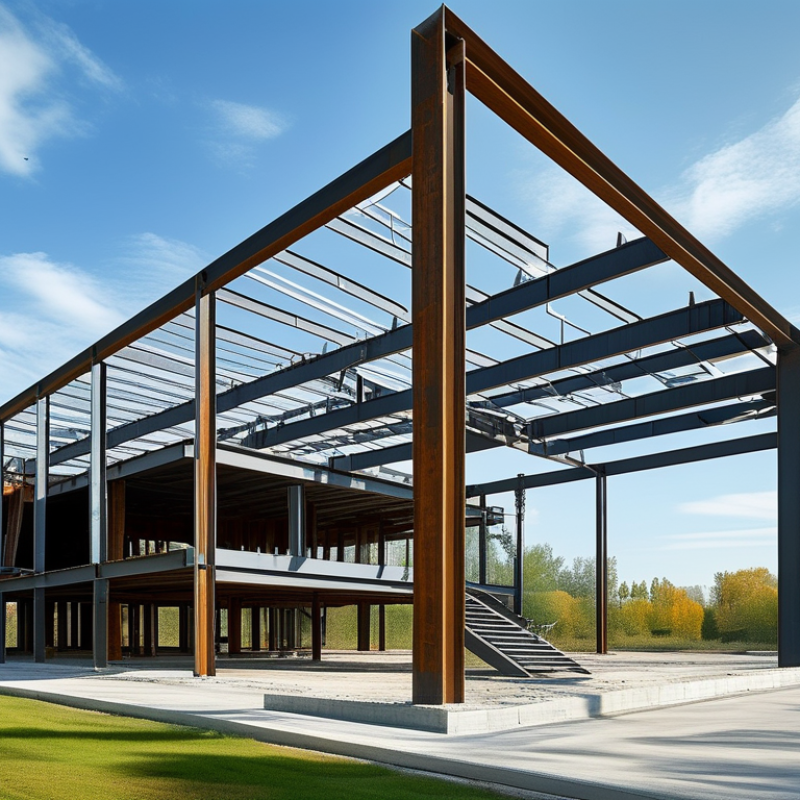
Benefits of Structural Steel Framing in Construction: An Overview
Structural steel framing offers numerous advantages in construction, making it a preferred choice for many builders. One significant benefit is its strength-to-weight ratio. Steel structures can support large loads while being lighter than concrete. This quality often leads to faster construction times, as fewer materials are required. Additionally, structural steel can adapt to various architectural designs, allowing for unique structures that stand out.
Durability is another key aspect of structural steel. Unlike wood, steel is resistant to rot, pests, and extreme weather conditions. However, this durability can come with challenges. Rust and corrosion can affect longevity. Proper maintenance is critical to ensure that the steel remains robust over time. Regular inspections and protective coatings can mitigate such issues.
The sustainability of steel is also noteworthy. It is recyclable, reducing waste in construction projects. This quality appeals to environmentally conscious builders and owners. However, the carbon footprint associated with steel production is worth considering. Future advancements in manufacturing processes could address these concerns, but it’s an important factor for responsible construction. Hence, while structural steel framing brings many benefits, it also requires careful consideration and management.
Benefits of Structural Steel Framing in Construction
| Benefit |
Description |
Impact |
| Durability |
Steel frames are resistant to many environmental factors, including pests and rot. |
Increases lifespan of structures, reducing long-term maintenance costs. |
| Design Flexibility |
Allows for innovative architectural designs, accommodating larger spaces. |
Enables the creation of unique, aesthetically pleasing structures. |
| Speed of Construction |
Prefabricated steel components can be quickly assembled on-site. |
Reduces overall project timelines, leading to cost savings. |
| Sustainability |
Steel is recyclable, minimizing environmental impact during construction. |
Supports green building initiatives and LEED certification. |
| Cost-Effectiveness |
Long-term savings due to durability and low maintenance needs. |
Overall project costs are often lower than alternative materials. |
Enhanced Durability and Strength of Structural Steel Framing
Structural steel framing stands out for its enhanced durability and strength, traits essential for modern construction. According to the American Institute of Steel Construction, steel structures can withstand extreme weather conditions, including hurricanes and earthquakes. This resilience is particularly vital as climate change increases the frequency of such events. Steel's high tensile strength allows it to absorb and dissipate energy effectively, which is crucial for maintaining structural integrity during seismic activities.
The lifespan of structural steel is another advantage. Studies indicate that steel can last well over 50 years with minimal maintenance. This durability reduces the need for frequent repairs and replacements, ultimately lowering long-term costs for building owners. However, designers must ensure proper corrosion protection to maximize steel’s lifespan. Early miscalculations in protective measures could lead to rust, potentially undermining the structural benefits.
Moreover, steel framing aids in design flexibility. Buildings can be constructed with larger open spaces, providing freedom for creative architectural designs. Yet, ensuring that these designs meet safety and performance standards requires in-depth engineering knowledge. This balance of innovation and safety is a constant challenge within the industry, steering projects toward ongoing improvement.
Cost-Effectiveness in Material Use and Labor Efficiency
Structural steel framing is becoming a popular choice in modern construction. Its cost-effectiveness greatly enhances both material use and labor efficiency. Projects using steel can often reduce waste, lowering material costs significantly. The durability of steel means fewer replacements are needed over time. This longevity can lead to substantial savings for building owners.
Labor efficiency is another critical benefit of structural steel. Steel components are usually prefabricated, allowing for quicker assembly on-site. Workers spend less time on construction, which can reduce overall labor costs. This efficiency not only saves money but also accelerates project timelines. However, the dependence on skilled labor for precise handling remains a challenge.
While structural steel framing has many advantages, there can be downsides. The initial investment might be higher compared to traditional materials. Some builders may experience a learning curve when switching to steel. Adapting to new methods can slow down early phases of construction. Recognizing these potential setbacks is crucial in planning for a successful project.
Benefits of Structural Steel Framing in Construction
Sustainability and Environmental Benefits of Steel Framing
Steel framing in construction offers several sustainability and environmental benefits. One major advantage is its recyclability. Steel can be recycled multiple times without losing its properties. This reduces the need for new raw materials, conserving natural resources. The life cycle of steel also contributes positively. Buildings made with steel have long lifespans, and when they are deconstructed, the framework can be reused or repurposed.
Another notable benefit is the energy efficiency of steel structures. They provide excellent insulation, which can reduce energy consumption. Lower energy use means less carbon footprint over the building's lifespan. However, creating early stage steel production still involves significant energy and emissions, raising questions about initial environmental impacts.
Finally, steel framing allows for innovative designs and flexible spaces. This adaptability can lead to more efficient use of land and resources. While not without its challenges, the overall impact of steel on construction sustainability is profound. Addressing these complexities is necessary for future advancements in environmentally friendly construction practices.
Design Flexibility and Architectural Freedom with Steel Structures
Steel structures provide significant design flexibility and architectural freedom in modern construction. The ability to create open spaces without compromising structural integrity is one of the key advantages of using structural steel framing. According to data from the American Institute of Steel Construction, over 90% of architects agree that steel allows for innovative design solutions. This allows for creative combinations of shapes and sizes that can enhance both aesthetic appeal and functionality.
The lightweight nature of steel also contributes to more efficient construction processes. Projects can often be completed faster, reducing overall labor costs. A study by the National Steel Construction Association revealed that using steel can cut down construction time by as much as 30%. Furthermore, steel's durability ensures that the created spaces will last, providing long-term value over time.
However, not all projects might need the flexibility that steel offers. In some instances, traditional materials could be more suitable depending on project specifics. It's essential for builders and architects to weigh the pros and cons. Careful consideration of each project's unique requirements will determine the most effective material choice. A nuanced approach to design ultimately leads to better outcomes.