Top Benefits of Using Steel Posts in Construction and Landscaping?
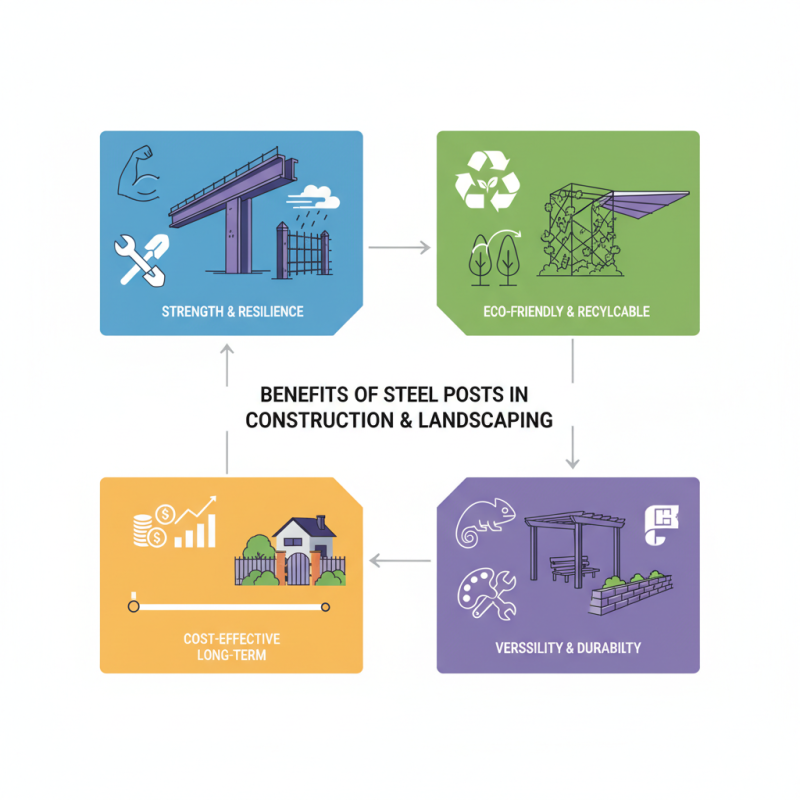
In the world of construction and landscaping, the choice of materials significantly impacts the durability and aesthetics of a project. Steel posts have gained popularity due to their numerous benefits. These posts offer strength and resilience, making them suitable for various applications. When used in fencing, they provide an unyielding barrier that withstands harsh weather conditions.
Additionally, steel posts are eco-friendly and recyclable. Landscape designs that incorporate these materials often showcase modern elegance. They can support diverse structures, from canopies to garden trellises. However, working with steel posts requires proper installation techniques. A lack of experience can lead to misalignment or structural issues.
While many appreciate the benefits, some might overlook the initial costs. Steel posts might seem expensive upfront, but their longevity can lead to cost savings over time. It’s important to weigh the pros and cons carefully. Ultimately, the versatility and durability of steel posts make them a valuable choice for construction and landscaping projects.
Advantages of Steel Posts Over Traditional Materials in Construction
Steel posts are increasingly popular in construction and landscaping projects. They offer several advantages over traditional materials like wood and concrete. For starters, steel posts provide exceptional strength and durability. Unlike wood, they are not susceptible to rot, pests, or warping. This means fewer replacements and lower long-term maintenance costs.
Additionally, steel posts are versatile. They can be used in various applications, from fencing to structural support. Their ability to withstand harsh weather conditions makes them an ideal choice for outdoor use.
However, the initial cost of steel can be a consideration for some builders. The upfront investment may deter budget-conscious projects. Yet, the longevity and minimal upkeep often justify the expense in the long run.
Another critical benefit is the aesthetic appeal of steel. They can be finished in various styles, matching different architectural designs. Some may argue that steel posts lack the warmth of wood. This is a valid concern, as it can lead to a clinical look. However, combining steel with other materials may create a balanced and attractive appearance. There is always room for improvement when embracing new materials.
Durability and Longevity: How Steel Posts Stand the Test of Time
When considering durability in construction and landscaping, steel posts are a prime choice. They are resistant to rust, decay, and insect damage, which often plagues wooden alternatives. Reports from the National Association of Home Builders indicate that steel can last over 50 years with proper maintenance. This longevity contributes to lower long-term costs. Homeowners can save significantly on replacements and repairs.
Steel posts also showcase remarkable structural integrity. Their strength makes them ideal for supporting heavy loads, providing stability against harsh weather conditions. According to data from the American Institute of Steel Construction, steel posts can withstand winds exceeding 100 mph when properly anchored. This ability to endure extreme conditions can be critical in regions prone to storms.
Despite their benefits, some challenges exist. The initial cost of steel posts may deter some users. There's also a need for specific tools during installation. Not everyone is equipped or experienced in working with steel. It’s essential to consider these factors before committing to steel posts. Balancing short-term investments with long-term benefits is vital in construction choices.
Top Benefits of Using Steel Posts in Construction and Landscaping
| Benefit |
Description |
Longevity (Years) |
Maintenance Requirements |
| Durability |
Steel posts are resistant to weather conditions, pests, and decay. |
50+ |
Minimal, primarily cleaning and occasional coating. |
| Cost-Effective |
Initial investment is higher, but longevity reduces long-term costs. |
Varies based on use, typically 40-70 years. |
Occasional rust treatment. |
| Versatility |
Can be used for various applications including fences, mailboxes, and supports. |
50+ |
Very low maintenance. |
| Stability |
Steel posts provide stronger support compared to wood or plastic alternatives. |
50+ |
Occasional inspection for structural integrity. |
| Eco-Friendly |
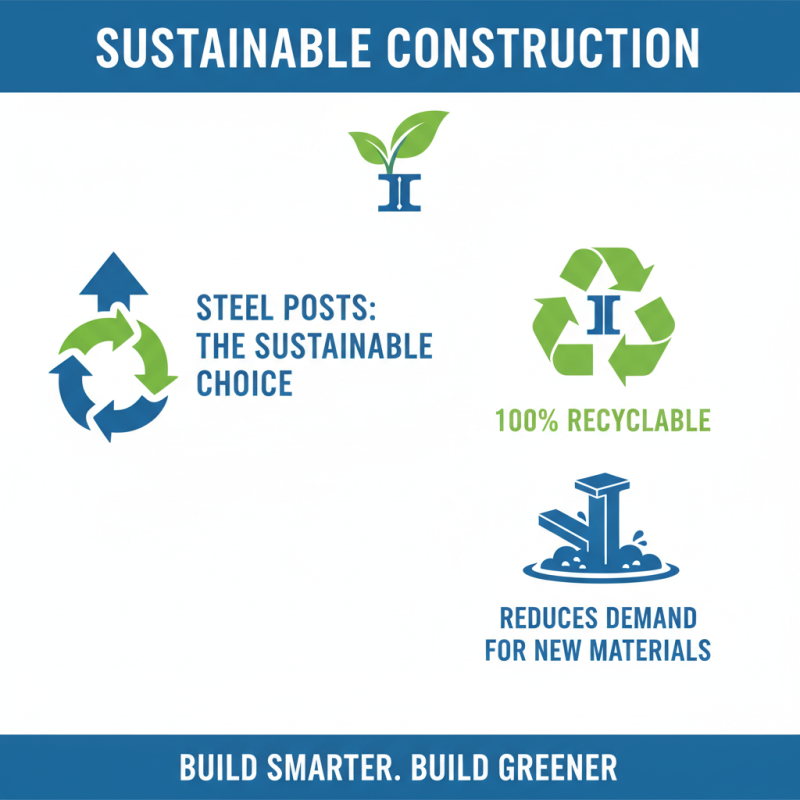
Steel can be recycled, making it a sustainable choice. |
Recyclable indefinitely. |
Standard recycling processes. |
Versatility of Steel Posts in Various Landscaping Applications
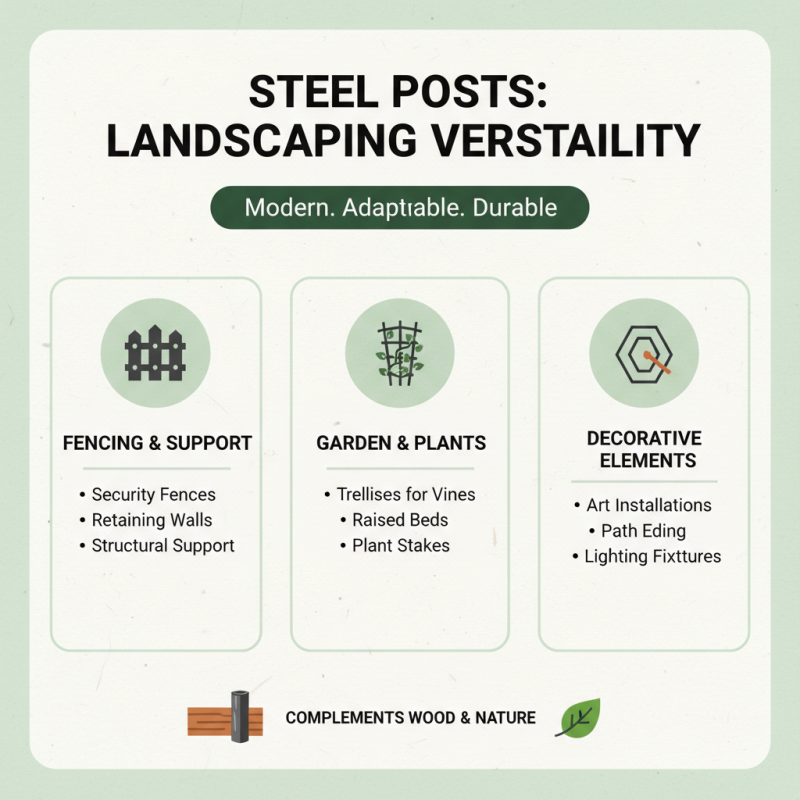
When it comes to landscaping, steel posts offer remarkable versatility. They can support fencing, garden trellises, or decorative elements. Their flexibility means they can adapt to various designs and functional needs. Homeowners often appreciate how steel can complement natural elements. It contrasts beautifully with wood and plants, bringing a modern touch to any garden.
In landscaping applications, the durability of steel is a significant advantage. Steel posts resist rot and pests, lasting longer than wood. This longevity can save money over time. However, creating the perfect installation requires careful planning. An improper fit can lead to instability, diminishing the aesthetic appeal. It’s important to measure accurately and consider soil conditions.
Moreover, steel’s weight may pose a challenge during installation. Lifting heavy posts can be cumbersome, potentially causing injury. Many overlook this aspect and attempt DIY installations without proper techniques. It’s a reminder that even with a great material like steel, success in landscaping needs skill and planning.
Cost-Effectiveness: Long-Term Savings with Steel Construction
Steel posts are becoming a popular choice in construction and landscaping due to their cost-effectiveness. They offer long-term savings that can make a significant difference in project budgets. For instance, steel is known for its durability. Unlike wood or plastic, it resists rot, decay, and pest damage. This means fewer replacements and repairs over time. Property owners can save money in the long run.
Moreover, steel is recyclable. This feature contributes to both environmental benefits and potential cost reductions. When a structure made of steel reaches the end of its life cycle, it can be reused. This creates a sustainable option that also makes financial sense. However, it's important to consider that the initial investment in steel may be higher. Yet, the benefits may outweigh this cost after a few years.
In construction projects, labor costs can also decrease with steel posts. They are easier to install compared to traditional materials. Fewer workers may be needed for installation, which lowers overall labor costs. Still, challenges can arise, such as the need for additional tools or fasteners. Ensuring the right equipment is essential for efficiency. Understanding these factors can lead to better financial planning and project management.
Top Benefits of Using Steel Posts in Construction and Landscaping
This chart illustrates the top benefits of using steel posts in construction and landscaping. The data represents various advantages such as durability, cost-effectiveness, low maintenance, sustainability, and aesthetic appeal, highlighting their relative importance in steel construction.