Choosing a reliable steel supplier can shape a project’s cost, safety, and delivery schedule. This guide examines 10 Best Gauge Steel Manufacturers for Global Buyers through practical purchasing criteria. We focus on product consistency, production capacity, technical support, and export experience. Gauge steel varies widely in thickness, coating, strength, and dimensional tolerance. Small differences matter.
The manufacturers discussed here serve industries such as construction, automotive production, appliances, energy, and general fabrication. We consider galvanized sheets, cold-rolled coils, stainless products, and other commonly requested forms. Each company is assessed through available certifications, testing practices, manufacturing facilities, and customer service records. Details such as mill certificates, surface finish, packaging quality, and shipment coordination also deserve attention. A polished website is not enough.
Real buying decisions are rarely simple. A supplier with lower prices may offer longer lead times or narrower customization options. Another manufacturer may provide excellent engineering support but require higher minimum volumes. Buyers should verify specifications directly before placing an order. Local import rules, inspection requirements, and delivery conditions can change the final result. No list remains perfect forever. Market capacity shifts, and public information can become outdated. This article therefore offers a practical starting point, not a substitute for technical due diligence. Request current samples, confirm gauge steel tolerances, and compare documented performance carefully. The strongest partnership is built on clear evidence, responsive communication, and expectations that both sides can actually meet.
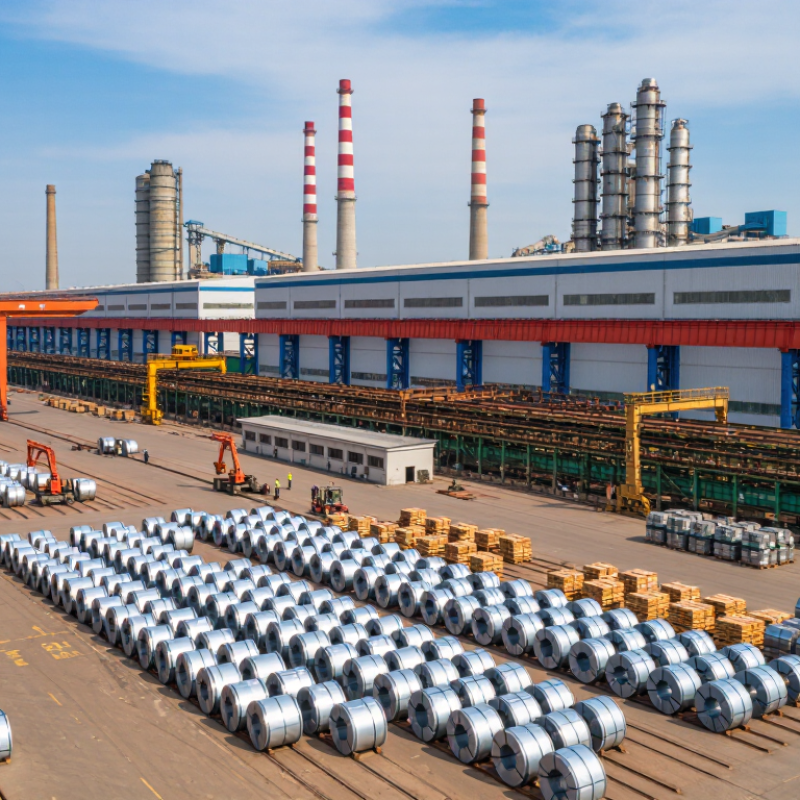
Gauge steel is carbon steel measured by thickness, usually through a gauge number. A higher gauge number means thinner steel. For example, 20-gauge standard steel is about 0.912 millimeters thick. However, the conversion changes across steel types and regional standards. A number alone is not enough.
Global buyers choose gauge steel because it can reduce weight, simplify forming, and control material costs. Thin sheets suit cabinet panels, ductwork, roofing parts, and light enclosures. Heavier gauges provide greater stiffness for frames and industrial components.
The World Steel Association reported approximately 1.89 billion tonnes of crude steel production in 2023. That scale supports broad availability, but availability does not guarantee consistent thickness or quality.
Specification checks matter more than attractive pricing. Buyers should confirm base-metal thickness, coating weight, tensile strength, yield strength, flatness, and permitted tolerances. ISO 16120 provides requirements for non-alloy steel wire rod, while regional sheet standards may use different gauge references. The International Energy Agency reports that steel production creates about 8% of global energy-related carbon dioxide emissions. Choosing thinner steel can reduce material use, but excessive thinness may increase repairs and waste. I have seen projects treat gauge as a simple purchasing number. It is not. The better question is whether the selected thickness survives forming, transport, moisture, and daily loads.
Evaluating gauge steel manufacturers across international markets requires more than comparing quoted prices. Gauge numbers can describe different thicknesses by material and region, so request millimetre measurements and stated tolerances. The World Steel Association’s World Steel in Figures 2024 reports 1.892 billion tonnes of crude steel production in 2023. This scale creates choice, but also uneven quality.
Check whether each manufacturer can supply recognized specifications, such as ASTM A653, EN 10346, or JIS G3302. Ask for recent mill test certificates, coating-mass results, yield strength, elongation, and heat numbers. Traceability should follow the coil from production to shipment. A practical audit should review laboratory equipment, calibration records, packaging, and damage controls at the loading area. Do not trust a certificate alone. I once treated documentation as proof of consistency; it was not enough without sample testing.
Tips: Compare actual thickness, not gauge labels. Order trial coils before annual contracts. Use an independent laboratory for disputed results. Review delivery performance across several shipments, not one successful order. The International Energy Agency identifies steel as responsible for roughly 8% of global carbon dioxide emissions, so buyers should also request energy and emissions data. Environmental claims can sound polished, yet weak evidence remains a common concern. A reliable supplier explains limitations clearly.
Global gauge steel buying is shifting toward tighter tolerances, reliable coatings, and documented performance. The World Steel Association reported global crude steel production of about 1.89 billion tonnes in 2023. Its outlook also projected steel demand growth of 1.8% in 2024 and 1.9% in 2025. These figures show scale, but volume alone does not identify the best manufacturer.
Leading producers usually specialize in specific product strengths. Integrated mills often provide stable hot-rolled and cold-rolled coil quality. Electric-arc producers can offer flexible batch sizes and recycled-content options. Galvanizing specialists focus on coating uniformity, edge quality, and corrosion resistance.
Other strong suppliers concentrate on electrical steel, automotive-grade sheet, or high-strength low-alloy products. In practice, a thinner gauge may expose defects quickly. I have seen attractive quotations fail during stamping because flatness data was missing. That was not a dramatic failure, but it was expensive.
Tips: Request mill test certificates, coating-weight results, yield strength, elongation, and flatness records. Compare the same gauge, width, tolerance, and delivery term. Ask whether samples came from production coils. A factory’s strongest product may not match your forming process. OECD data continues to highlight global steel overcapacity concerns, so buyers should examine capacity utilization and delivery reliability, not only price. No manufacturer leads every category. The better choice is the mill that proves repeatable quality for your exact application.
Choosing among the 10 best gauge steel manufacturers requires more than comparing prices. Experienced buyers should examine quality systems, material consistency, and export records. ISO 9001 shows controlled production processes, but its scope must match the actual steel facility. Environmental certification can also indicate disciplined operations. Ask for recent mill test certificates, heat numbers, chemical analysis, tensile results, and gauge tolerance data. Standards such as ASTM, EN, or JIS should match your project drawings. A certificate alone is not enough.
Tips: Request one sample coil or sheet before placing a large order. Check thickness at several points, not just the edge. Confirm whether tests are factory-based or independently witnessed. Verify certificate numbers and expiry dates directly when possible.
Export capability deserves equal attention. Reliable manufacturers should explain packing methods, moisture protection, container loading, and documentation procedures. Useful records include commercial invoices, packing lists, certificates of origin, and inspection reports. Confirm lead times using written production schedules, not optimistic messages. Ask how the supplier handles rejected material, port delays, and damaged packaging. These details reveal practical experience.
I have seen attractive specifications fail during loading. This is easy to underestimate. A strong supplier communicates clearly when production changes. Still, no manufacturer is perfect, and buyers should record inspection findings instead of trusting assumptions. Compare response speed, traceability, claims handling, and delivery history alongside certifications. A lower price may reflect thinner packaging, weaker testing, or unclear export responsibility.
10 Best Gauge Steel Manufacturers for Global Buyers
Pricing, Lead Times, and Supplier Selection Factors for Buyers
A low steel price can hide expensive conditions. Gauge measurements may vary between markets, so confirm thickness in millimeters before comparing quotes. Request the base price, coating cost, cutting fees, packing charges, and estimated freight separately. Price is only the opening figure. Ask whether the quotation covers testing, export documents, and protective wrapping. Small errors become expensive when a container arrives with unsuitable dimensions.
Lead times should include production, inspection, port handling, and transit. A supplier promising seven days may mean only mill production. Confirm the date when goods can actually leave the factory. Ask about minimum order quantities, monthly capacity, holiday closures, and backup production plans. A written schedule is more useful than a confident sales message. Delays still happen, even with experienced manufacturers. Build a practical buffer.
Supplier selection needs evidence, not polished brochures. Review material certificates, gauge tolerance data, inspection procedures, and recent export references. Check whether the factory can produce your required grade, width, surface finish, and packaging method consistently. Ask for a sample or trial order when specifications are critical. In my experience, communication quality often predicts project performance. Slow answers before payment rarely become faster afterward. However, no supplier is perfect, and buyers should record risks instead of expecting flawless service. Use a scorecard covering total cost, lead time, quality control, payment terms, and communication. Ask for evidence.