How to Choose the Right Gate Valve for Your Needs?
Choosing the right Gate Valve is crucial for any plumbing or industrial application. A gate valve controls the flow of liquids and gases. This valve type is known for its durability and reliability. However, picking the right one can be challenging.
Consider the application of the gate valve. These valves come in various sizes and materials. Each type suits different conditions. For instance, some environments may require corrosion-resistant materials. Others may need valves that can withstand high pressures. You may also face technical difficulties in valve compatibility. This uncertainty can lead to costly mistakes.
Evaluate the specifications carefully. Think about flow requirements and pressure limitations. Ignoring these factors may lead to underperformance. While it's easy to choose a generic valve, custom options might be better. Investing time in research will pay off in the long run. Make sure to reflect on all your choices.
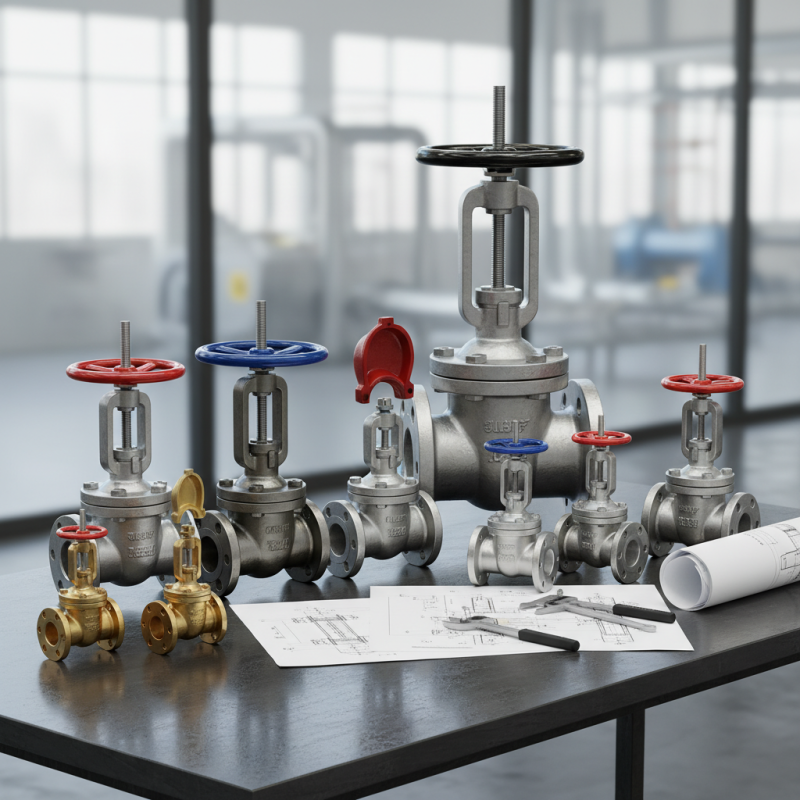
Understanding the Basics of Gate Valves and Their Applications
Gate valves play a crucial role in controlling fluid flow in various systems. They are widely used in water, oil, and gas applications. Their primary function is to start or stop flow rather than regulate it. When fully opened, gate valves offer minimal resistance. However, they are not ideal for throttling purposes. This limitation can lead to high pressure drops if misused.
Understanding different types of gate valves is essential. There are resilient seated, metallic seated, and parallel slide designs. Each type serves different environments and applications. For instance, metallic seated valves are more durable and better suited for high-pressure systems. Resilient seated valves, however, excel in having a tight seal at lower pressures. These distinctions can guide decision-making but often require careful evaluation.
Additionally, consider the materials used in gate valves. They can be made from cast iron, stainless steel, or other alloys. Each material impacts performance and compatibility with different fluids. These choices can lead to more complex maintenance challenges. Sometimes, design flaws in the valve installation can cause operational issues. It’s essential to reflect on past choices to ensure optimal performance in future projects.
Key Factors to Consider When Choosing a Gate Valve
Choosing the right gate valve requires careful consideration of a few key factors. The material of the valve is crucial. Stainless steel, cast iron, and bronze are common options. Each material has specific advantages based on the fluid being regulated. For corrosive substances, stainless steel might be best. Think about the environment too. If the valve is outdoors, it needs to withstand weather and other elements.
Pressure ratings are another important aspect. Valves come with different pressure ratings. Make sure it matches your system's needs. High pressure requires robust construction. Inadequate rating can lead to failure. Additionally, consider the size of the valve. A valve that's too small will restrict flow. Conversely, an oversized valve can lead to inefficiencies.
Another factor is the valve's design. Some designs are easier to operate and maintain. Manual gate valves may require more effort. Automation can simplify this but add to costs. Reflect on your long-term needs. Often, the best choice isn't the most expensive. It’s the one that meets your specific requirements without unnecessary features.
Types of Gate Valves and Their Specific Uses
Gate valves come in various types, each designed for specific applications. The most common are parallel and wedge gate valves. Parallel gate valves feature two parallel plates. They provide a tight seal in low-pressure systems, but may struggle with high-pressure situations. Wedge gate valves, on the other hand, have a single tapered wedge. This design makes them versatile for various pressure levels.
Another type is the rising stem gate valve. In this design, the stem rises as the valve opens. This feature allows for easier visual confirmation of the valve’s position. They are often seen in waterworks and sewage systems. Non-rising stem gate valves are usually best for tight spaces. They do not require additional clearance for operation. It’s essential to match the valve type to your specific needs, as one size doesn't fit all.
When selecting a gate valve, consider the medium it will control. Is it water, oil, or gas? Each fluid has different requirements. Additionally, think about the temperature and pressure conditions. These factors can significantly impact valve performance. Be realistic about your needs. Sometimes, what seems like the best choice may not be ideal for your application. Understanding the types available will guide you toward a more informed decision.
Gate Valve Types and Their Common Applications
Material Selection for Gate Valves: What You Need to Know
Selecting the right material for gate valves is crucial. The material impacts durability, performance, and cost. Common materials include stainless steel, ductile iron, and brass. Each has unique properties and suitable applications. For instance, stainless steel offers high corrosion resistance, making it ideal for chemical processing.
When considering material options, think about temperature and pressure requirements. High temperatures can weaken some materials, leading to failures. A recent industry report noted that nearly 25% of valve failures resulted from material incompatibility.
**Tips:** Always check the compatibility of the valve material with the fluid being transported.
Another factor to ponder is the environment where the valve operates. Outdoor installations may require more robust materials to withstand weather. In contrast, indoor applications can use lighter materials. Some studies highlight that improper material selection can cause 18% of operational downtime in industrial settings.
**Tips:** Review the manufacturer's specifications carefully before making a decision.
Understanding these factors can lead to better gate valve choices, resulting in increased efficiency and reduced costs. Reassess regularly to ensure that your material selections meet evolving operational standards.
Maintenance Tips for Ensuring Longevity of Gate Valves
Maintaining gate valves is crucial for their longevity. Regular inspection can prevent major issues. Look for leaks or corrosion. These problems indicate wear and tear. If found early, repairs are easier and less costly.
Lubrication plays an important role in maintenance. Apply grease to the stems periodically. This keeps the valve operating smoothly. Don’t forget to check seals and gaskets. Worn-out seals can lead to failures. Replacing them enhances performance.
Environmental factors also impact valve lifespan. Exposure to extreme temperatures can cause damage. Insulate valves in harsh climates. Regularly monitor the environment around the valve. Conditions can change, affecting efficiency. Keeping an eye on these aspects ensures better durability and functionality.
How to Choose the Right Gate Valve for Your Needs? - Maintenance Tips for Ensuring Longevity of Gate Valves
| Criteria | Description | Maintenance Tips |
| Material | Choose based on medium compatibility, such as steel for water or PVC for chemicals. | Inspect for corrosion and replace if necessary. |
| Size | Select based on pipe size and flow requirements. | Ensure proper fitting and alignment during installation. |
| Pressure Rating | Consider the maximum pressure the valve will face. | Regularly check for leaks and pressure loss. |
| Operating Type | Manual or automated operation based on application. | Lubricate moving parts to ensure smooth operation. |
| Application | Determine if it's for water, gas, or other mediums. | Use appropriate seals to prevent leaks for specific applications. |
