How to Choose the Right Steel Posts for Your Construction Needs?
Choosing the right steel posts for your construction projects is crucial. Steel posts serve as structural supports, ensuring the stability and safety of buildings. According to the American Institute of Steel Construction, steel can withstand harsh conditions, making it a reliable choice for various applications. In 2020, the global steel market was valued at over $1 trillion, highlighting its significance in construction.
When selecting steel posts, consider factors such as strength, load-bearing capacity, and corrosion resistance. The right choice can enhance the longevity of your structures. A study by the National Institute of Standards and Technology noted that improper material selection could lead to structural failures. It's vital to reflect on your needs and avoid common pitfalls in choosing the materials.
Incorporating steel posts can significantly improve the efficiency of your project. However, not all steel is created equal. The grade, treatment, and finish matter. Seek guidance from professionals or industry standards to make informed choices. Remember, the right materials are essential in building a safe and durable foundation.
Understanding the Different Types of Steel Posts Available
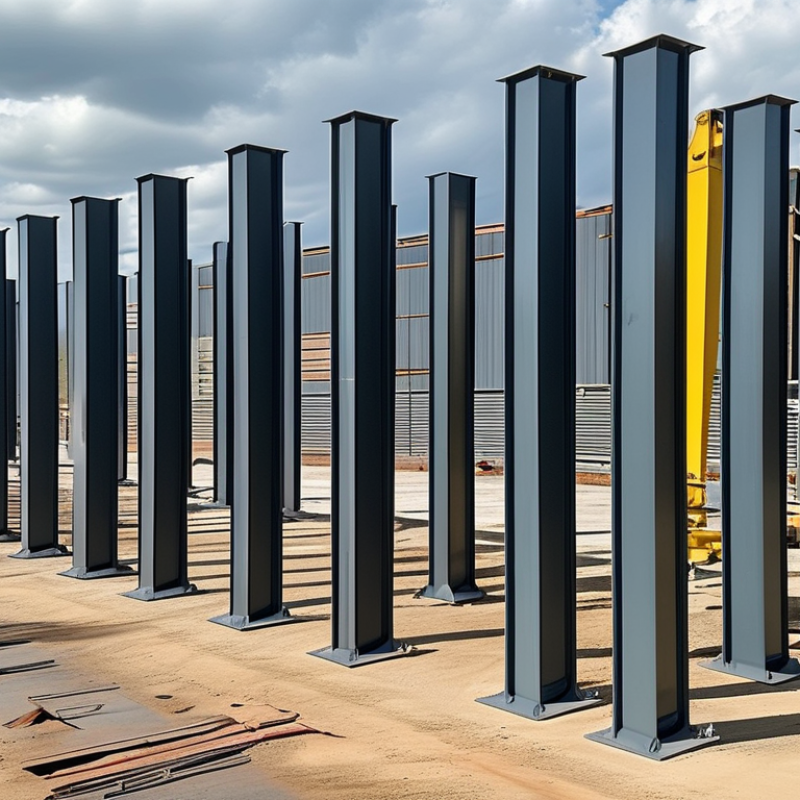
When selecting steel posts, understanding the types available is crucial. Steel posts can be categorized into several types, including square, round, and U-shaped designs. Each type serves distinct purposes in construction, based on load-bearing capabilities and aesthetic preferences. According to a recent industry report, square steel posts are often preferred for their inherent stability, while round posts are favored for outdoor structures due to their resistance to bending.
It's important to consider the specific application for your project. For heavy-duty construction, H-beams can provide superior strength. Conversely, lighter structures may benefit from tube steel posts, which offer a balance of durability and weight. The American Institute of Steel Construction (AISC) indicates that using the right post can enhance both structural integrity and longevity, potentially reducing maintenance costs over time.
Tips: Always check the grade of steel used in the posts. Higher grades ensure better resistance to environmental factors. Also, consider galvanization for added protection against rust and corrosion. Regular inspections can detect early signs of wear or damage, saving you from costly repairs down the line. Choosing the wrong post can lead to unnecessary expenses and safety hazards, so weigh your options carefully.
Types of Steel Posts and Their Applications
Evaluating Environmental Factors for Steel Post Selection
When selecting steel posts, it’s essential to consider environmental factors that may impact long-term performance. Different environments can exert various stresses on materials, influencing their durability and integrity. For example, areas with high humidity increase the risk of corrosion. The American Society for Testing and Materials (ASTM) reports that corrosion can reduce the lifespan of steel by up to 50% without proper treatment. Therefore, using galvanized or stainless steel in such settings can provide added protection.
In contrast, regions with extreme temperatures require robust materials. Steel can become brittle in cold weather, leading to structural failures. The Steel Construction Institute indicates that steel loses approximately 30% of its strength at -40°C. If you're building in such conditions, consider steel grades that are specifically designed to withstand these challenges. Additionally, soil conditions play a crucial role in post selection. Different soil types can affect load-bearing capacities, which can cause support failures if not properly assessed. Regular site evaluations help inform these decisions.
Sustainability is another significant aspect. The growing emphasis on reducing carbon footprints highlights the need for responsibly sourced materials. Understanding the entire lifecycle of steel, from production to recycling, is vital. While it’s easy to overlook these factors, they are critical in ensuring long-term structural integrity and efficiency. Balancing initial costs with environmental considerations can lead to more informed choices.
Choosing the Right Coating and Finish for Durability
Choosing the right coating and finish for steel posts is crucial. A durable finish can significantly enhance the longevity of your structure. According to the American Galvanizers Association, galvanized coatings provide protection for about 30 years under normal conditions. This means that selecting a proper coating can save repair costs over time.
Different environments require different finishes. In coastal areas, for example, stainless steel or special coatings are vital due to salt exposure. Corrosion resistance is a key factor in prolonging the lifespan of steel products. A report from Corrosion Engineering Journal indicates that approximately 30% of maintenance costs in industrial settings are due to corrosion. Identifying the right finish is essential to mitigate these costs, especially in challenging environments.
However, not all coatings are created equal. Some exotic coatings may be too costly for certain projects. Detailed research is critical to understand the trade-offs. Consideration of factors like UV resistance can affect performance over time. Always be aware of potential mismatches between expectations and reality. In many cases, the cheapest option may lead to additional costs later on. It is important to reflect on these aspects when making your choice.
Budgeting and Cost Considerations in Steel Post Procurement
When procuring steel posts, budgeting is crucial. The cost of steel can fluctuate based on market conditions and supply chain dynamics. Keep in mind that quality often comes at a higher price. However, compromising too much on quality can lead to increased maintenance costs later. Consider the long-term implications of your investment.
Tips: Always compare prices from different suppliers. It might save you money in the long run. Additionally, factor in shipping costs, especially if you’re sourcing from afar. Local suppliers may provide better deals and faster delivery times.
Taking the time to analyze your project's specific needs can prevent unnecessary expenses. Think about the type of construction and environmental conditions. This focus helps narrow down the right specifications for the posts. A misjudgment now could lead to significant costs down the road.
Tips: Estimate your budget with a buffer. Market changes can affect steel prices unexpectedly. Planning ahead ensures you’re not caught off guard. Also, consider bulk purchasing to reduce per-unit costs. Each decision counts.