Choosing the right composite panel is rarely a simple matter of color, price, or advertised strength. A panel that performs well on a sheltered wall may fail beside a busy road, coastal wind, or intense afternoon sunlight. The decision requires practical judgment. It also requires patience.
Composite materials expert Dr. John Summerscales has emphasized, “Composite performance depends on the relationship between materials, design, and manufacturing.” That principle guides this article. A reliable choice begins with the building’s actual demands, not a glossy product image. Consider impact resistance, moisture exposure, fire performance, thermal movement, acoustic needs, and installation conditions. Then examine the core, face materials, coating, thickness, and joint design as one system. They work together.
The following 10 tips for choosing the right composite panel focus on details that are easy to overlook. Ask for verified technical data. Check testing methods, not only headline values. Confirm whether the panel suits exterior or interior use. Inspect sample edges and surface consistency under real lighting. Small differences matter.
A warehouse may need toughness and easy maintenance. A retail façade may prioritize appearance, flatness, and color stability. A cleanroom demands stricter hygiene control. There is no universal winner.
Even experienced buyers can make mistakes. I have seen projects compare panels using different test standards, then treat the results as equal. That shortcut creates false confidence. Review manufacturer experience, certifications, warranty terms, and technical support before committing. A lower purchase price may become expensive after cutting waste, damaged sheets, delays, or repeated repairs. The best composite panel is the one that remains suitable after installation, weather exposure, and daily use.
A composite panel should begin with the building, not the product brochure. Record the panel’s location, span, support spacing, wind exposure, moisture level, fire strategy, and expected service life. A coastal façade may need stronger corrosion resistance, while an interior partition may prioritize sound control and cleanability.
The 2023 UNEP Global Status Report for Buildings and Construction found that buildings consume about 32% of global energy and produce approximately 34% of energy-related carbon emissions. That figure makes thermal performance important, but insulation alone is not enough. Set measurable targets for U-value, air leakage, acoustic rating, impact resistance, and fire behavior. Confirm test methods, such as ASTM E84 or EN 13501-1, because ratings are not directly interchangeable. A neat specification can still miss installation risks.
Tip: Build a performance schedule before requesting prices. Include minimum values, test standards, tolerances, joint details, and replacement expectations. Ask for full test reports, not only certificates. Review thermal bridges around fasteners and openings; these small areas can weaken the intended result. I have seen projects overvalue a low U-value while ignoring water management and damaged edges. That is a costly blind spot. A panel that performs well in a laboratory may behave differently after poor cutting, storage, or sealing. Survivor bias matters. Evaluate the complete wall assembly, installation method, and local exposure together.
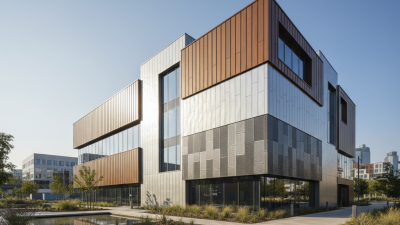
Choosing the right composite panel starts with the project’s exposure, structure, and maintenance plan. Aluminum panels are light and resist corrosion, making them practical for rainscreen façades and interior partitions. Steel panels feel more rigid, but their weight and corrosion protection demand careful detailing. Fiber-cement composites offer a mineral appearance and strong dimensional stability, yet cutting creates dust and needs controlled handling. Material selection is rarely obvious.
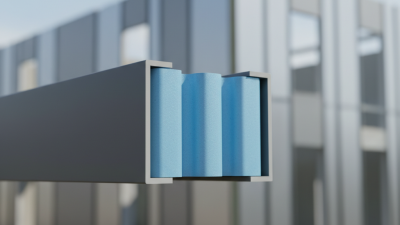
Polyethylene cores are economical, but they may not suit projects with strict fire requirements. Mineral cores improve fire performance and acoustic mass, although they can increase weight and fabrication costs. Honeycomb cores deliver stiffness with low weight, but edges require precise sealing against moisture. Check tested fire ratings, thermal movement, impact resistance, and fastening compatibility—not just brochure values. I have seen a visually attractive panel fail because its core was ignored.
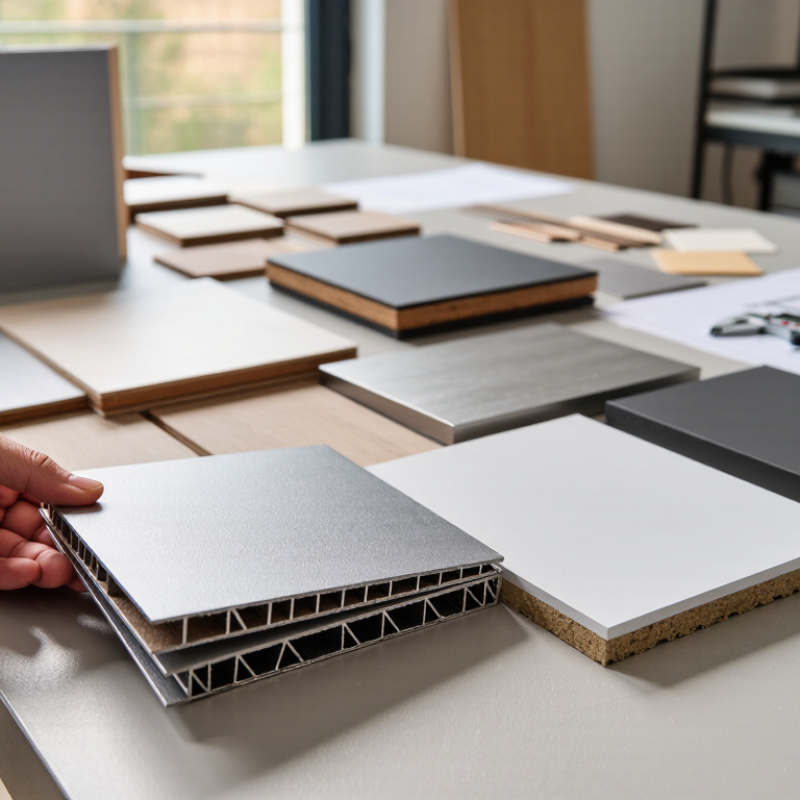
PVDF finishes generally support exterior color stability; powder coatings offer broad colors and textured options. Anodized surfaces create a natural metallic look, but repairs may show shade differences. Laminate films can mimic timber or stone, though direct sunlight and cleaning chemicals need review. Request sample panels, not swatches alone. Compare gloss, joint alignment, touch, and color under actual site lighting. My own preference has changed after seeing fingerprints, scratches, and uneven shadows on completed walls. Confirm warranties, cleaning instructions, and independent test documents before approval.
| No. | Selection Dimension | Common Option | Typical Technical Data | Advantages | Limitations | Recommended Application |
|---|---|---|---|---|---|---|
| 1 | Compare the facing material | Aluminum-faced panel | Low density; aluminum skins are commonly about 0.5–1.0 mm thick per face. High resistance to corrosion when properly coated. | Lightweight, rigid, easy to fabricate, and available in many colors and textures. | The metal skin can dent or scratch; fire performance depends heavily on the core and total assembly. | Exterior cladding, façades, signage, partitions, and interior wall panels. |
| 2 | Select the core for thermal performance | Polyurethane or polyisocyanurate core | Typical thermal conductivity: approximately 0.020–0.030 W/m·K, depending on formulation, density, temperature, and aging. | High insulation value for a relatively thin panel; can reduce heat transfer through walls and roofs. | Fire rating, smoke behavior, and long-term thermal performance must be verified through product testing. | Temperature-controlled buildings, insulated façades, cold rooms, and energy-efficient enclosures. |
| 3 | Prioritize non-combustible performance where required | Mineral wool core | Typical density: approximately 80–150 kg/m³; thermal conductivity commonly about 0.035–0.045 W/m·K. | Excellent fire resistance, good acoustic absorption, and useful thermal insulation. | Heavier than polymeric cores; may require careful edge protection and moisture detailing. | High-rise façades, industrial buildings, fire-sensitive areas, and acoustic partitions. |
| 4 | Check structural stiffness and impact needs | Honeycomb core | Very low weight with high stiffness-to-weight efficiency; performance varies with cell size, core thickness, and skin material. | Excellent flatness and bending stiffness; suitable when weight reduction is important. | Edges and unsupported fasteners need detailing; acoustic and fire properties vary by construction. | Transport interiors, lightweight partitions, equipment housings, and large-format wall panels. |
| 5 | Match moisture resistance to the environment | Closed-cell polymer foam core | Generally low water absorption compared with open-cell materials; exact values depend on the foam and test method. | Good resistance to intermittent humidity and water exposure when joints are correctly sealed. | Incorrect joints, penetrations, or damaged coatings can still allow water ingress and corrosion. | Bathrooms, food-processing areas, exterior walls, refrigerated spaces, and humid interiors. |
| 6 | Evaluate the required surface finish | Factory-applied painted or coil-coated finish | Common coating families include polyester, fluoropolymer, and powder coatings; coating thickness and durability vary by specification. | Consistent appearance, controlled film thickness, and improved resistance to weathering and corrosion. | Color fading, chalking, and gloss loss depend on pigments, coating chemistry, climate, and exposure. | Exterior façades, soffits, commercial interiors, and areas requiring a uniform appearance. |
| 7 | Choose cleanability and hygiene properties | Smooth hygienic laminate or coated metal surface | Non-porous surfaces are generally easier to wipe clean; joints, sealants, and surface damage remain critical factors. | Supports routine cleaning and reduces locations where dirt or moisture can accumulate. | Abrasive cleaners and harsh chemicals can damage some coatings or decorative laminates. | Healthcare areas, laboratories, kitchens, cleanrooms, retail spaces, and food-service facilities. |
| 8 | Review fire, smoke, and code compliance | Fire-tested mineral or modified polymer core | Fire performance is determined by the complete panel assembly, including facings, core, joints, fixings, and installation method. | Can meet demanding building requirements when supported by valid third-party test reports. | A material label alone does not guarantee compliance; local codes and project-specific testing apply. | Public buildings, high-rise construction, escape routes, industrial facilities, and fire compartments. |
| 9 | Consider acoustic requirements | Perforated facing with fibrous or mineral wool core | Sound absorption depends on perforation ratio, air cavity, panel thickness, core density, and installation; laboratory ratings are required for design. | Can reduce reverberation and improve speech intelligibility when properly designed. | A solid, non-perforated panel generally provides limited sound absorption without additional acoustic treatment. | Offices, classrooms, auditoriums, studios, transport facilities, and industrial spaces. |
| 10 | Balance lifecycle cost and sustainability | Durable, repairable, and recyclable panel system | Assess service life, maintenance intervals, replacement rates, recycled content, recyclability, and end-of-life separation. | A longer service life and replaceable components can reduce total ownership cost and material waste. | Initial purchase price may not reflect installation, maintenance, energy, disposal, or replacement costs. | Projects with long service-life targets, green-building objectives, and planned maintenance programs. |
A panel should match its climate, not just its appearance. Inspect UV resistance, water absorption, and freeze-thaw performance. In coastal areas, salt exposure can weaken unprotected edges and fasteners. Check how joints drain after heavy rain. A smooth sample may look convincing. It can still fail around poorly sealed corners. Ask for independent test reports, installation limits, and maintenance requirements.
Fire safety requires more than a noncombustible label. Review the complete wall assembly, including insulation, joints, membranes, and fixings. Confirm the tested configuration matches the proposed design. Fire performance can change when installers substitute components. Local building regulations and project-specific certifications should guide the decision. Keep records of certificates and revision dates.
Structural performance depends on wind loads, panel spans, support spacing, and thermal movement. Request calculations from a qualified engineer for exposed façades or tall buildings. Check fastener pull-out strength and allow movement at connections. During site inspections, look for bowing, loose screws, and damaged edges. I have seen attractive panels installed beyond their tested span. That mistake is easy to miss until the first severe storm.
Choosing a composite panel starts with understanding how it will be installed. A ventilated rainscreen needs different details from a direct-fixed wall. Check the substrate, joint layout, fastener type, and required expansion gaps before ordering materials. Uneven framing can telegraph through the finished surface. That detail is easy to miss. On site, installers should keep protective film intact until cutting and fitting are complete. They should also seal exposed edges where the installation guide requires it.
Maintenance needs depend on location and panel finish. Dust, salt, and industrial residue collect quickly on façades near busy roads or coastlines. A soft brush, clean water, and a mild detergent are usually safer than abrasive pads. Inspect joints, corners, and fixings at least twice a year. Look for staining, loose fasteners, water marks, or damaged sealant. Never assume a clean surface means a healthy wall.
Service life is not a single guaranteed number. It depends on ultraviolet exposure, moisture control, cleaning habits, and installation quality. Ask for tested performance data, fire information, coating limits, and recommended inspection intervals. Keep spare panels from the same production batch when possible. Repairs may show color differences later.
I once saw a small drainage error cause repeated staining beneath an otherwise durable façade. The panel was blamed first, but the surrounding detail needed correction. That experience still makes me check water paths before judging the material.
10 Tips for Choosing the Right Composite Panel
Compare Suppliers, Certifications, Costs, and Warranty Terms
Choosing a composite panel is less about a shiny sample and more about evidence behind it. Compare at least three suppliers using the same checklist: core material, face thickness, fire performance, delivery history, and technical support. Ask for recent test reports, not screenshots or vague claims. A reliable supplier should identify the testing laboratory, report date, product range, and tested configuration. Certifications can be confusing. Check whether they apply to the exact panel, thickness, coating, and installation method you plan to use. A certificate for another product may be useless.
Request itemized quotes covering panels, shipping, cutting, protective film, accessories, and installation guidance. A low unit price can become expensive after corner damage, unsuitable packaging, or delayed replacement stock. Ask for a full-size sample and inspect its edges, surface flatness, color consistency, and bonding. Small samples hide practical problems. They sometimes mislead.
Read warranty terms before signing an order. Check coverage for delamination, coating failure, moisture damage, and color fading. Confirm the warranty period, maintenance duties, inspection rules, and claim response time. Keep everything in writing. Also ask who pays for removal, testing, and replacement labor. A supplier may sound confident but avoid specific answers. That should slow your decision. My checklist is not perfect, because site conditions vary, but unclear terms deserve careful questions before payment.