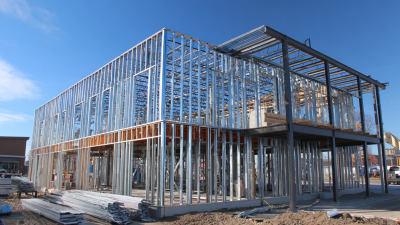
Top Innovations in Steel Metal for 2025 Sustainable Construction and Design
The construction industry is undergoing a significant transformation as sustainability becomes a core focus in design and building practices. Among the various materials at the forefront of this movement, steel metal stands out due to its strength, durability, and recyclability. As we approach 2025, innovative advancements in steel metal technology are poised to reshape the landscape of sustainable construction. These innovations promise to not only enhance the performance of buildings but also to reduce their environmental footprint.
In recent years, the integration of cutting-edge technologies with steel metal has led to the development of new alloys and construction methods that increase efficiency and reduce waste. From lightweight structures that enable more efficient use of resources to enhanced coatings that extend the material's lifespan, the future of steel metal in construction is bright. As architects and builders continue to explore these innovative solutions, the role of steel metal in promoting eco-friendly designs cannot be overstated.
This outline will delve into the top innovations in steel metal that are set to influence sustainable construction and design by 2025. By examining these advancements, we will uncover how the industry can leverage steel metal to create structures that are not only robust and stylish but also aligned with the principles of sustainability. Through this exploration, we aim to highlight the essential role of steel metal in building a greener future.
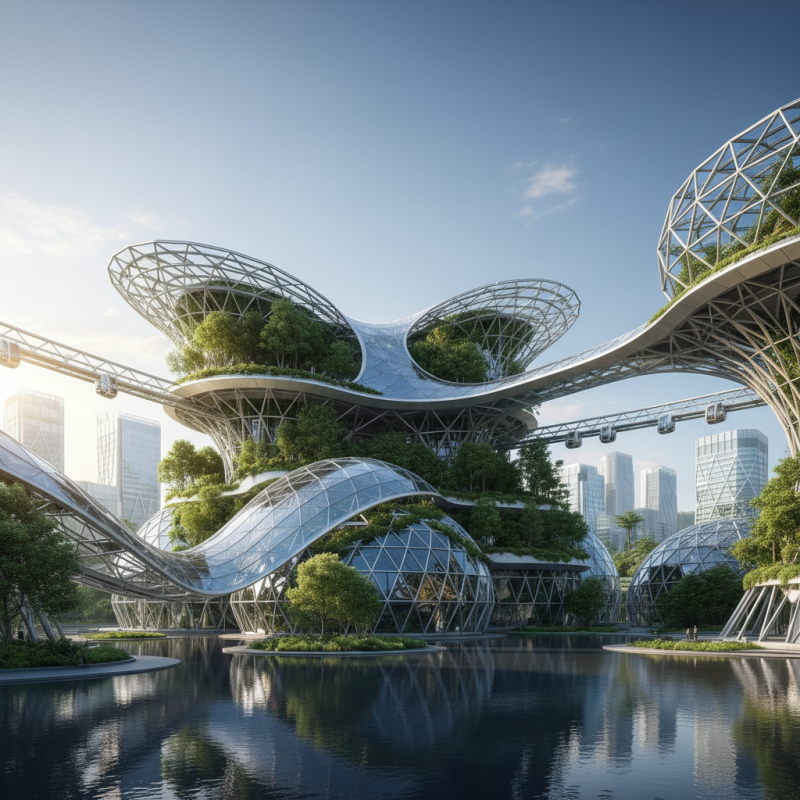
Top Innovations in Steel Metal for 2025 Sustainable Construction and Design
In the quest for sustainable construction and design,
steel metal innovations
are paving the way for a greener future. By 2025, we can
anticipate advancements that enhance the recyclability and durability of steel, making it an even
more viable option for eco-friendly building projects. One noteworthy innovation is the
development of high-performance steel alloys, which are
engineered to require less raw material while maintaining strength and resilience. These alloys can
significantly reduce the carbon footprint associated with traditional steel manufacturing and
construction processes.
Moreover, the integration of smart technologies
and data analytics in steel construction is transforming how structures are designed and maintained.
Innovative techniques like 3D printing and modular construction are allowing for precise fabrication
and reduced waste in building processes. These methods not only minimize material usage but also
streamline the construction timeline, leading to faster project completion. As architects and builders
increasingly adopt these approaches, the efficiency and
sustainability of steel in the construction industry will reach
new heights, supporting the growing demand for environmentally conscious design solutions.
Advances in Recycled Steel Usage and Their Environmental Impact
The construction industry is increasingly turning towards sustainable practices, and one of the most significant innovations lies in the usage of recycled steel. By repurposing scrap metal, not only is material waste reduced, but the environmental footprint of steel production is considerably diminished.
Recycled steel requires less energy to process and emits fewer greenhouse gases compared to virgin steel production, making it a viable option for eco-conscious builders and designers aiming for sustainability in their projects.
In addition to the environmental benefits, using recycled steel can also enhance the structural integrity and longevity of buildings. This is due to the high quality typically associated with reclaimed materials, which can often outperform newly manufactured alternatives. As architects and engineers embrace these advances, the construction of eco-friendly designs becomes more feasible, promoting a circular economy in the steel industry.
Tips: When planning a sustainable construction project, consider sourcing materials from local suppliers to further reduce carbon emissions associated with transport. Additionally, assess the percentage of recycled content in materials to ensure your project meets sustainability goals. Engaging with sustainable architects and engineers can also help streamline the integration of recycled steel in your design process.
Smart Steel Alloys: Enhancing Durability and Reducing Waste
As the construction industry increasingly prioritizes sustainability, innovative advancements in steel alloys are paving the way for environmentally friendly practices.
Smart steel alloys are designed to enhance durability while minimizing waste, thus addressing critical challenges faced by the sector. According to a report by the World Steel Association, approximately 1.6 billion tons of steel were produced in 2020, which contributed to significant carbon emissions. By investing in smart alloys, this figure can be transformed; these materials not only promise a longer lifespan but also enable easier recycling, cutting down the need for virgin materials.
Research indicates that smart steel alloys can reduce waste by up to 40% when deployed in construction projects. This reduction is made possible through the development of alloys with improved mechanical properties, allowing for thinner and lighter structures without compromising strength.
Additionally, the integration of smart technologies within steel production processes facilitates better monitoring and optimization, further decreasing waste. For instance, ongoing studies suggest that utilizing advanced data analytics in alloy design can lead to a substantial reduction in material inputs, potentially saving the industry billions of dollars while significantly lowering environmental footprints.
As we move toward 2025, the adoption of these innovative smart steel alloys in sustainable construction and design will be crucial. They not only embody the industry's shift toward a circular economy but also offer a resilient solution to the increasing demand for sustainable building materials.
The Role of Steel in Achieving Net-Zero Carbon Buildings by 2025
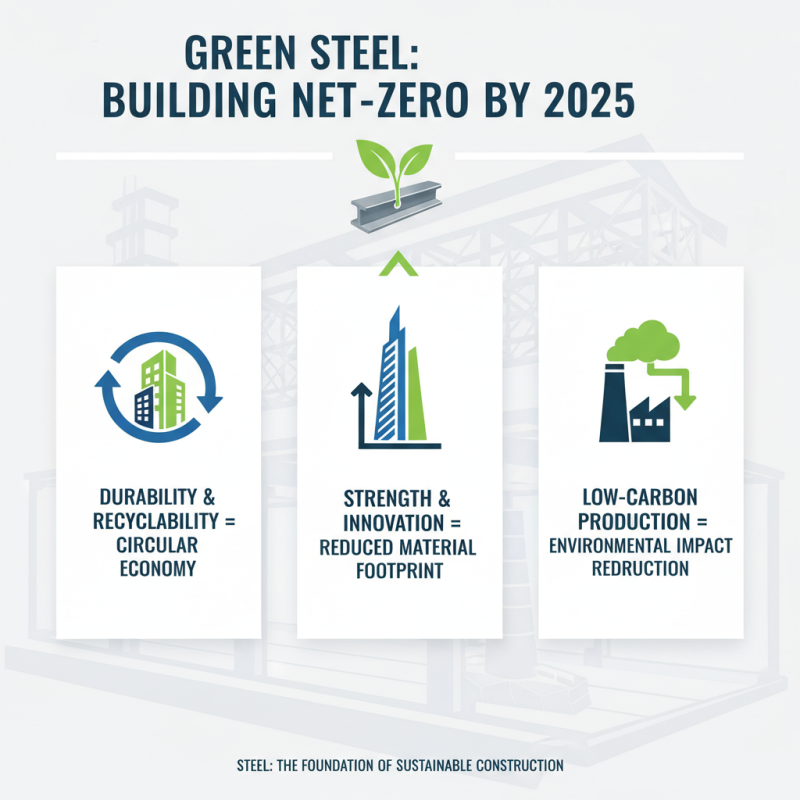
As the construction industry strives towards achieving net-zero carbon emissions by 2025, steel plays a pivotal role in developing sustainable building practices. Steel's inherent durability and recyclability make it a cornerstone material in modern architectural design. Its strength allows for longer spans and innovative structures that can reduce the overall material footprint of buildings. By implementing advanced steel production techniques that lower carbon outputs, the industry can significantly decrease its environmental impact while maintaining high standards of structural integrity.
Furthermore, innovations in steel technology, such as the use of low-carbon steel and the integration of renewable energy in the steel-making process, are set to revolutionize construction practices. The incorporation of these eco-friendly methods not only minimizes emissions during production but also enhances the lifecycle performance of steel structures. By focusing on the entire lifecycle of steel—from production to recycling—architects and builders can create energy-efficient buildings that contribute to carbon neutrality. This multifaceted approach not only addresses immediate construction needs but also aligns with broader sustainability goals, paving the way for resilient and environmentally responsible urban landscapes by 2025.
Innovative Coatings and Treatments for Steel: Enhancing Sustainability
Innovative coatings and treatments for steel are poised to play a critical role in enhancing sustainability in construction and design by 2025. As the construction industry increasingly focuses on minimizing its environmental impact, advancements in surface treatments offer promising solutions. These innovative coatings can significantly improve corrosion resistance, resulting in a longer lifespan for steel structures and a reduction in material waste. By extending the durability of steel, we can minimize the frequency of repairs and replacements, promoting a more sustainable approach to construction.
Moreover, eco-friendly coatings derived from sustainable materials are gaining traction, providing an alternative to traditional, harmful chemical-based treatments. These coatings not only protect the steel but also contribute to energy efficiency by reflecting heat and light, thus reducing the need for climate control in buildings. Additionally, the development of self-healing coatings that respond to damage is revolutionizing maintenance practices, enabling structures to repair themselves and reducing reliance on human intervention. This innovative approach not only enhances the lifespan of steel but also fosters a circular economy in construction, aligning with global sustainability goals.
Conclusion
The article "Top Innovations in Steel Metal for 2025 Sustainable Construction and Design" explores groundbreaking advancements that are set to revolutionize the use of steel metal in the construction industry. It highlights the increasing reliance on recycled steel, emphasizing its positive environmental impact, as well as the development of smart steel alloys that enhance durability while minimizing waste.
Additionally, the article discusses how steel metal plays a crucial role in achieving net-zero carbon buildings by 2025, alongside innovative coatings and treatments that promote sustainability. Lastly, it addresses the integration of composite steel designs with sustainable building practices, paving the way for a greener future in construction. Overall, the innovations discussed signify a committed shift towards environmentally conscious practices within the industry.