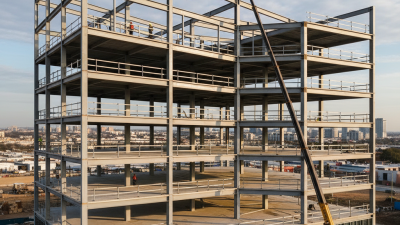
10 Best Light Gauge Steel Framing Manufacturers?
Choosing among the 10 best light gauge steel framing manufacturers requires more than comparing catalog prices. A strong evaluation examines engineering experience, production accuracy, material quality, and technical support. It also considers details visible on a real jobsite, such as clean stud punches, consistent track dimensions, labeled bundles, and protected steel surfaces.
Professor Benjamin W. Schafer, a recognized cold-formed steel researcher, has emphasized that “cold-formed steel is a structural material, not simply a construction product.” That distinction matters. Manufacturers must understand load paths, connection behavior, bracing, fire performance, and local building requirements. A factory may produce attractive profiles, yet weak documentation can create expensive delays.
This guide compares leading manufacturers through practical criteria. These include product range, coating quality, testing evidence, design software, prefabrication capability, delivery reliability, and installer support. It also considers whether companies serve residential, commercial, modular, or industrial projects. Some rankings remain subjective. No list fits every market.
A smaller supplier may offer faster customization. A global manufacturer may provide stronger testing resources. Neither choice is automatically better. Buyers should verify current certifications, engineering calculations, published tolerances, and project references before signing a contract. The best light gauge steel framing partner combines dependable steel with responsive expertise. That balance often becomes clear when drawings change, site conditions shift, or one missing component stops an entire crew.
What Is Light Gauge Steel Framing?
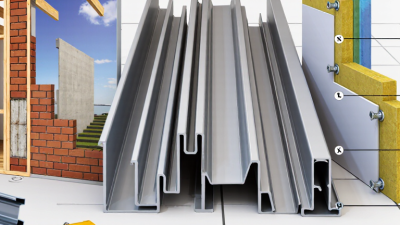
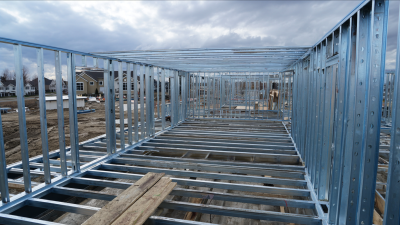
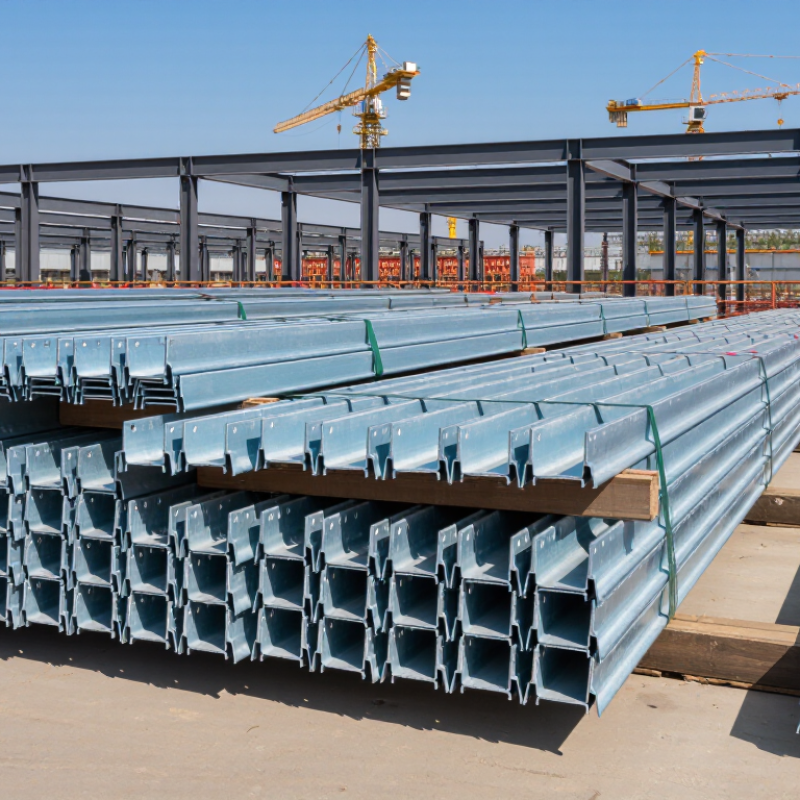
Light gauge steel framing uses cold-formed steel sections to create walls, floors, and roof structures. Manufacturers roll thin galvanized steel coils into precise shapes, commonly C-shaped studs and U-shaped tracks. Unlike hot-rolled beams, these sections are lightweight and formed at room temperature. A typical wall arrives as separate members or factory-assembled panels, then connects with self-drilling screws.
On site, workers cut openings for doors, windows, wiring, and plumbing. Stud spacing often follows the structural design, such as 400 or 600 millimeters. The correct gauge depends on height, load, wind pressure, and local building requirements. Thicker steel is not automatically better. Poorly selected sections can still bend, twist, or transfer noise.
Steel does not burn, rot, or attract termites. That helps in humid conditions. However, it conducts heat quickly, creating thermal bridges through the wall. Continuous insulation, thermal breaks, and careful detailing are therefore essential. Galvanized coatings resist corrosion, but damaged edges still need attention. Small mistakes matter.
A reliable project begins with engineered drawings, verified material thickness, and documented quality checks. Experienced installers also inspect screw spacing and frame alignment before closing the walls. I would not treat steel framing as a simple replacement for timber. It demands accurate design and disciplined installation. Its lighter weight can speed construction, yet acoustics, condensation, and service penetrations may require more planning than expected.
How to Evaluate Light Gauge Steel Framing Manufacturers
Choosing among the 10 best light gauge steel framing manufacturers requires more than comparing prices. Evaluate their production experience, engineering depth, and quality controls. Ask for recent project records, material certificates, and factory photographs. A virtual or physical factory visit can reveal cutting accuracy, storage conditions, and worker safety practices. Look closely.
Technical capability matters. Confirm the steel grade, galvanized coating, thickness tolerance, and connection design. Reliable manufacturers should provide structural calculations, shop drawings, and clear load assumptions. Their software should connect design data with CNC production, reducing errors between drawings and finished components. Request sample panels, then inspect screw holes, track alignment, and surface protection. Independent testing or recognized certification adds authority, but certificates must match the actual product line.
Delivery performance often separates a dependable supplier from an attractive quotation. Check production capacity, packaging methods, lead times, replacement procedures, and technical support during installation. Speak with previous clients about delays and communication, not only final results. A low price may exclude engineering revisions or site assistance. No checklist is perfect. I once focused too heavily on coating quality and overlooked packaging damage during transport. That mistake showed why evaluation must cover the entire supply chain. Choose a manufacturer that explains limitations honestly, records changes carefully, and responds with evidence rather than confident promises.
Profiles of the 10 Best Light Gauge Steel Framing Manufacturers
Selecting the ten best light gauge steel framing manufacturers requires more than comparing catalog prices. This profile reviews engineering depth, roll-forming precision, factory capacity, certification, and project support. The Global Alliance for Buildings and Construction reported that buildings produced 37% of global energy-related emissions in 2022. Efficient framing can reduce material waste, but design quality still controls results.
Profile one represents a manufacturer with strong seismic engineering. Profile two focuses on automated roll-forming accuracy. Profile three serves large modular housing projects. Profile four specializes in thin-gauge wall systems. Profile five offers detailed BIM coordination. Profile six supports rapid commercial installation. Profile seven emphasizes corrosion protection. Profile eight provides flexible custom profiles. Profile nine maintains broad regional distribution. Profile ten combines framing production with technical training.
The strongest candidates reference recognized standards, including AISI S100 and AISI S240 in North America, or EN 1090 where applicable. Their factories should document steel thickness, coating mass, dimensional tolerance, and batch traceability. A 2023 report from the World Steel Association notes that steel remains highly recyclable, yet recycling does not excuse careless detailing or unnecessary offcuts. Site experience matters too. Ask for completed project evidence, not polished claims. No ranking is flawless. Public data can be uneven, and some manufacturers disclose less than buyers need. Experienced reviewers should inspect connection details, delivery records, and installation feedback before making a final judgment.