2026 Best Composite Panel Types for Global Buyers

A global buyer choosing a composite panel faces more than a price comparison. Core material, skin thickness, coating, fire performance, and installation details can change how a panel performs. A lightweight aluminum-faced panel may suit a clean exterior façade, while a moisture-resistant panel may better fit a demanding interior. The right choice depends on the project.

Materials scientist Michael F. Ashby wrote, “The choice of material is one of the most important decisions made by the designer.” That principle matters when comparing composite panel types across suppliers and markets. Ask for technical data, test methods, and product-specific certifications. Check whether the stated performance applies to the complete panel, not just one layer. Details matter.

This guide compares common options, including aluminum composite, wood-based, mineral-core, and fiber-reinforced panels. It considers weight, durability, weather exposure, maintenance, appearance, and cost. Buyers should also confirm that installation guidance matches their building design and local requirements. A brochure can look convincing. Evidence is better.

There is no universal winner. Even a well-rated panel may disappoint if the substrate, fixings, or exposure conditions are overlooked. And specifications can be messy. The comparisons ahead offer a practical starting point, not a substitute for project-specific engineering review. A small sample helps, but it cannot reveal years of weathering or workmanship. That uncertainty deserves attention.

2026 Best Composite Panel Types for Global Buyers

What Composite Panels Are and How Their Core-and-Skin Structure Works

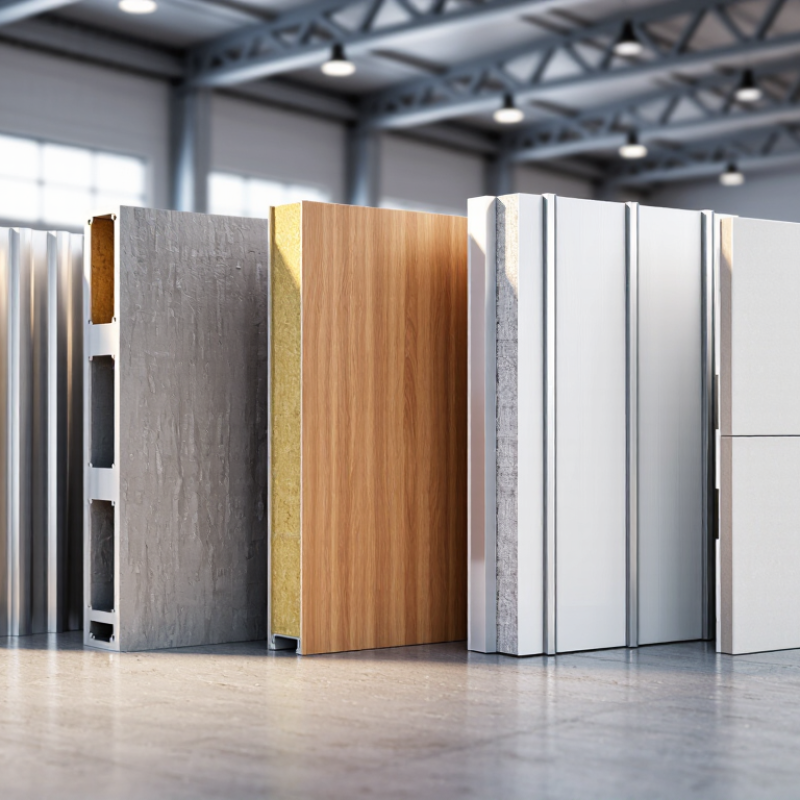
Composite panels combine two outer skins with a core between them. The skins may be metal, wood-based sheets, or fiber-reinforced material. Common cores include polymer foam, mineral wool, and honeycomb structures. The exact combination affects weight, stiffness, insulation, and resistance to impact.

The core keeps the skins apart, much like the top and bottom faces of a shallow beam. When a panel bends, one skin generally takes tension while the other takes compression. The core helps transfer shear forces and limits buckling. This arrangement can provide useful stiffness without a solid, heavy slab. That matters during transport and installation. But performance depends on the whole panel, not just its core.

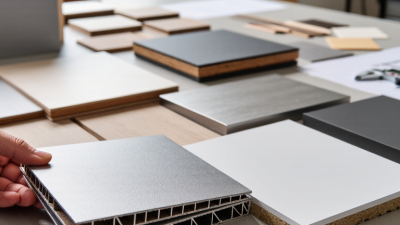
A foam core may support thermal insulation, while mineral wool can help with fire performance; test data and panel design still matter. Honeycomb cores are lightweight, but exposed edges and concentrated fasteners need careful detailing. Moisture can also enter through damaged joints or poorly sealed cuts. A sample is helpful. Buyers should check the declared thickness, skin material, core density, bond quality, and intended use. One overlooked detail is edge construction. It can change how a panel handles water, loads, and installation. Specifications do not always tell the full story, so review relevant test reports and inspect finished samples where possible.

Major Composite Panel Types and Their Key Material Differences

Composite panels differ mainly in their core, face layers, and binders. Aluminum composite panels pair thin metal skins with a polymer or mineral-filled core. They are light and easy to fabricate, but core composition and panel thickness affect stiffness and fire performance. Check the technical data, not just the product name. Details matter.

High-pressure laminate panels use decorative paper layers pressed with resin. Their hard surfaces resist everyday scuffs, making them useful for interiors and furniture. Fiber-cement panels combine cement, cellulose fibers, and mineral fillers. They handle damp conditions well, though they are heavier and need careful cutting and edge sealing. Fiberglass-reinforced plastic panels use glass fibers within a resin matrix; their low weight and moisture resistance suit utility spaces, but surface finish and resin type vary.

Wood-plastic composites blend wood fibers with plastic. They can offer a wood-like appearance, yet heat, moisture, and sunlight may change their color or shape over time. No type is best for every project. I would compare actual thickness, core makeup, edge details, and test results against the site conditions. A panel that looks similar in a sample may behave differently after years of exposure. That deserves a second look.

How Panel Properties Shape Performance Across Building Applications

Composite panels perform differently because their cores, facings, and joints respond to heat, moisture, impact, and fire in different ways. Aluminum composite panels are light and easy to form, making them useful for façades with complex shapes. Fiber-cement panels tolerate wet conditions and offer a dense, stable surface, but their weight demands careful support design. High-pressure laminate suits ventilated façades and interiors where surface wear matters. Insulated metal sandwich panels can combine enclosure and insulation in one assembly. No panel wins every wall.

Thermal performance depends on the whole assembly, not a product label. Core thickness, thermal bridges, air gaps, and fasteners can change real-world results. The UNEP Global Status Report for Buildings and Construction reported that buildings and construction used 32% of global energy in 2022 and generated 34% of energy- and process-related CO₂ emissions. That makes insulation and service life important, but not interchangeable goals. The World Green Building Council’s 2019 report estimated that building materials account for about 11% of global energy-related emissions. Material choice therefore matters before installation, too.

For a coastal façade, I would check moisture resistance, edge sealing, and corrosion compatibility before comparing colors. For a warehouse, panel span, fire performance, and verified thermal values may matter more. Ask suppliers for test methods, declared performance, and maintenance requirements. Data sheets can look reassuring. Site details still decide much. A panel can meet its rating and disappoint when joints, drainage, or installation are poorly considered.

2026 Best Composite Panel Types for Global Buyers

How panel properties shape performance across building applications

Density affects panel weight, handling, and structural design. Cement-bonded particleboard is typically much heavier than wood-based panels, while plywood and OSB are often chosen where strength-to-weight balance matters. Values shown are indicative typical mid-range figures; actual density varies by product, grade, and moisture content. Compare technical data sheets for project-specific selection.

Comparing Fire, Weather, Strength, Weight, and Maintenance Requirements

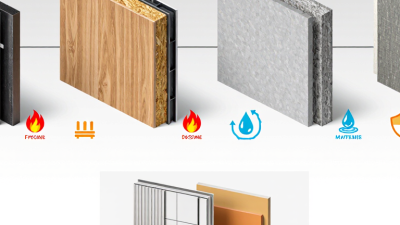
Composite panels solve different problems, and their labels can hide important differences. Mineral-core panels are often selected where fire performance matters, but ratings depend on the full assembly, including joints and installation. Ask for current test reports, not just a product summary.

Aluminum composite panels are relatively light and can suit large façades, though core type and coating affect fire behavior and weather resistance. Fiber-reinforced polymer panels resist corrosion and reduce weight, but heat exposure and UV aging need careful review. Wood-plastic composites offer a warmer appearance and can handle outdoor use; prolonged moisture and surface fading still deserve attention. Details matter.

Compare strength against real loads, such as wind pressure, impact, and fixing points. A strong panel can still fail if its support system is poorly designed. In coastal or high-humidity locations, inspect coating quality, edges, and drainage paths. Smooth surfaces usually clean more easily, while textured finishes may hold dirt. Maintenance claims can be optimistic. Request sample panels and inspect them after exposure to sunlight, rain, and routine cleaning. There is no single best type; project conditions and verified test data should guide the choice.

How Global Buyers Can Match Panel Types to Project Needs and Local Codes

2026 Best Composite Panel Types for Global Buyers

How Global Buyers Can Match Panel Types to Project Needs and Local Codes

Global buyers should match composite panels to exposure, building use, and approval requirements—not price per square metre alone. GlobalABC’s 2024 Global Status Report says buildings and construction used 32% of global energy in 2023. The sector also accounted for 34% of global CO₂ emissions. Those figures make thermal performance worth checking, but they do not determine which panel suits a specific project.

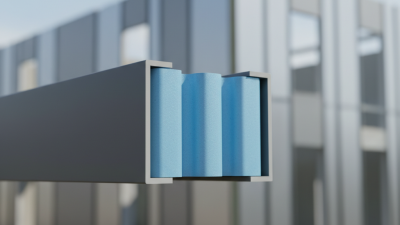
For rainscreen façades, aluminum-composite panels offer light, flat cladding; verify the core and tested wall assembly. Mineral-core panels may suit projects with stricter fire requirements, but a product label is not proof of compliance. FRP panels can work well in damp or corrosive rooms; check smoke, UV, and cleaning requirements. Insulated sandwich panels can limit heat transfer, while joints and fasteners may weaken real-world performance.

Codes are local. Confirm the required test methods and editions with the authority having jurisdiction. In the United States, NFPA 285 may apply to certain exterior-wall assemblies; in Europe, EN 13501-1 classifies reaction to fire. Neither standard automatically proves that every wall configuration complies. Check wind loads, cavity barriers, substrates, and window details together. A cheaper panel can look efficient on paper. I would recheck that assumption after freight, installation, and code-documentation costs.